
What We Do
At Seeds of Water / CODEINSE, we believe that rural communities deserve the exact same level of service as modern cities. We don't just drill centralized wells or just give out filters. We design and build full-service, gravity-fed water infrastructure that delivers clean, safe water directly to homes 24 hours a day.
Our work is built on four core pillars:
Demonstrating Christ's Love - Everything we do is rooted in a desire to be a tangible, lasting expression of the love of Jesus. When the daily, exhausting burden of water retrieval is lifted, it brings profound hope and dignity to a village. Women have more time for their families and small businesses, children grow up healthier, and the entire community is given the physical and spiritual freedom to truly flourish.
Redefining Water Access - Inadequately designed or intermittent water systems force families to store water in their homes, which inevitably leads to contamination and dangerous waterborne illnesses. While distributing household water filters is a common quick fix, it removes the community from being an active part of the solution. Filters are simply not sustainable; they have a finite lifespan that is much shorter than most realize, and studies consistently show that a large percentage of distributed filters go entirely unused. By engineering reliable, full-service piped systems, we eliminate the need for water storage and temporary filters, bringing true, lasting health directly to the front door.
Advanced Engineering in Challenging Terrain - Working in the steep, mountainous regions of Chimborazo requires precision. We utilize professional civil engineering design standards to ensure our gravity-fed systems are highly efficient, require no electricity to run, and are built to last for generations.
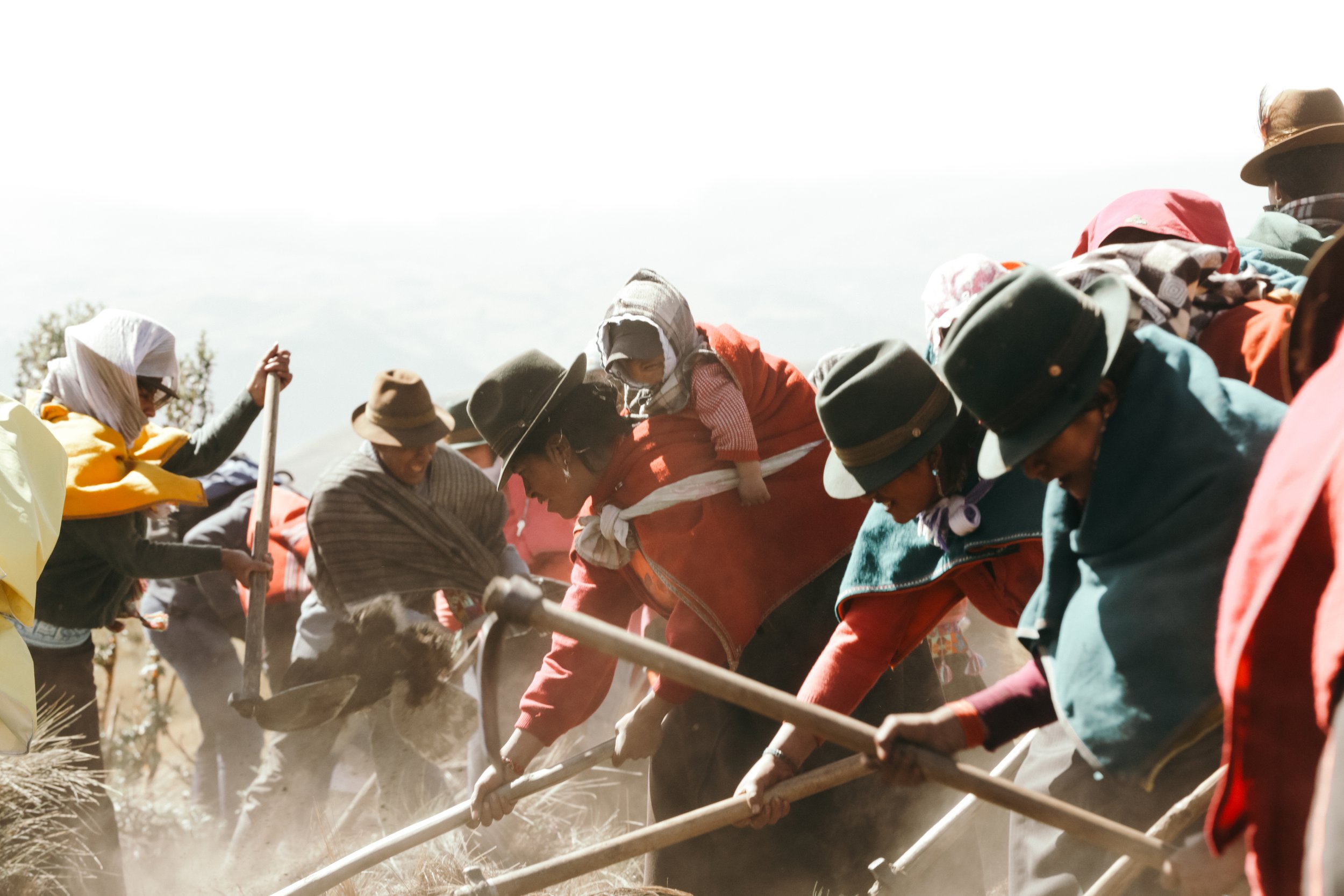
Community-Led Construction & Ownership - Sustainable development must be locally driven. We partner with CODEINSE, a national-led grassroots organization, and work hand-in-hand with local villages. Every system is built through "sweat equity"—the families themselves dig the miles of trenches and lay the pipes alongside our engineers. Once the water flows, communities form their own official water boards to manage and maintain their infrastructure permanently, resulting in deep, long-term local ownership.